
How Many Times a Day Should a Cat Eat
Understanding how many times a day should a cat eat is crucial for every cat owner. Feeding your cat properly not only ensures they receive adequate nutrition but also promotes healthy growth, weight management, and overall well-being. Cats, whether kittens or adults, have different nutritional requirements that must be met at various stages of their life. In this guide, we will explore the ideal feeding schedules, caloric intake, and practical tips to help your feline friend thrive.
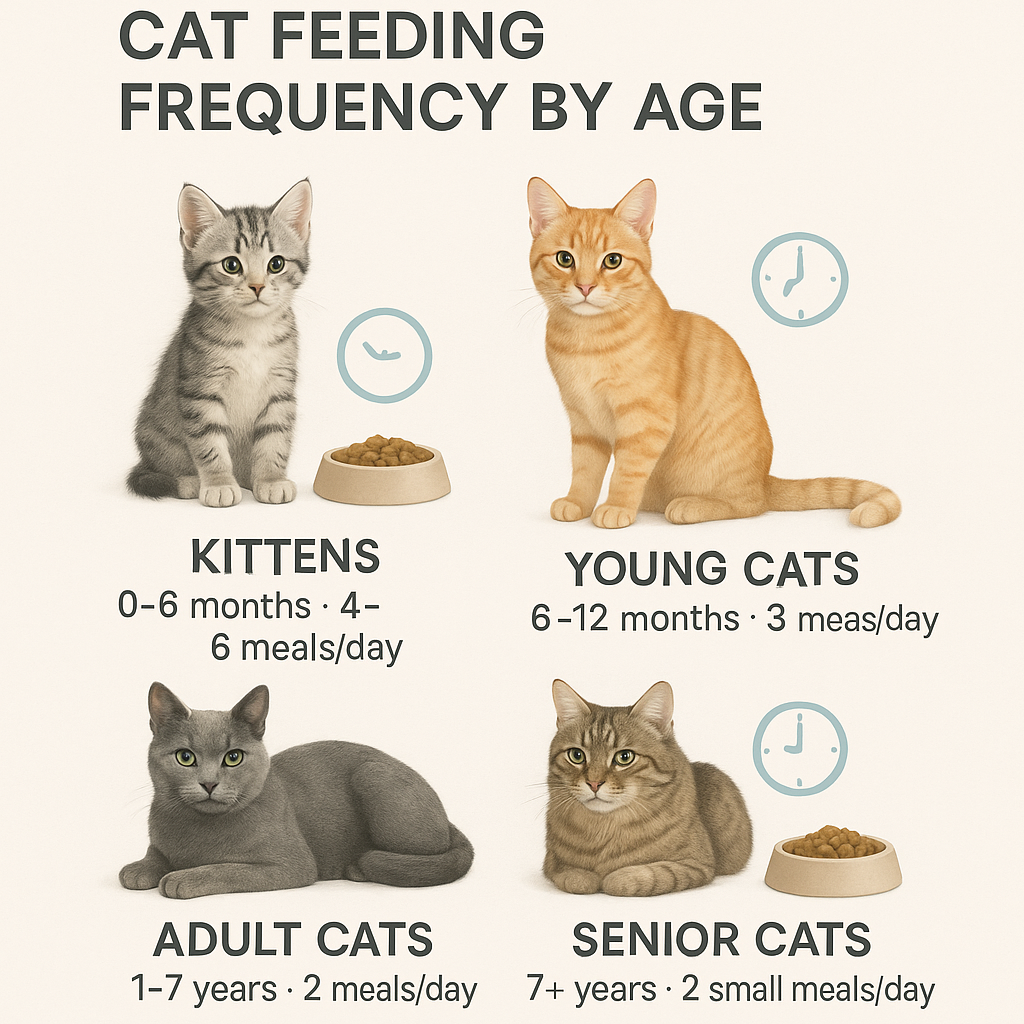
How Many Times a Day Should You Feed a Cat?
Cats are natural grazers, which means they prefer to eat small meals throughout the day. However, feeding frequency depends on the cat's age, activity level, and health status.
Most adult cats do well with two meals per day—one in the morning and one in the evening. This schedule helps maintain energy levels and prevent overeating.
Older cats may need smaller, more frequent meals to accommodate slower digestion and prevent weight gain.
Feeding multiple small portions rather than one large meal can help with portion control and weight management.
Benefits of Regular Feeding Schedule
Prevents obesity by avoiding free feeding. Controlled portions help maintain a healthy weight and prevent weight-related health issues.
Smaller meals reduce the risk of vomiting or gastrointestinal issues. Regular feeding times help regulate the digestive system.
Scheduled feeding can reduce stress and behavioral problems like aggression over food. Cats thrive on routine and predictability.
How Many Times a Day Should You Feed a Kitten?
Kittens require a different feeding approach because they are growing rapidly and need more calories per pound than adult cats.
Tips for Feeding Kittens
Choose food with balanced proteins, fats, and essential nutrients specifically formulated for kittens' growth needs.
Weigh your kitten weekly to ensure proper growth. Adjust portions if needed to maintain a healthy growth curve.
Always have clean water available to prevent dehydration. Kittens are active and need proper hydration.
How Many Calories a Day Should a Cat Eat?
Caloric needs vary based on age, weight, and activity level. Understanding calorie requirements helps prevent underfeeding or overfeeding.
On average, a cat needs 20 calories per pound of body weight per day. Adjust based on activity level and metabolism.
Require 2–3 times more calories per pound for growth. Their energy needs are higher due to development and play.
Outdoor or highly active cats may need extra calories to maintain energy levels and body condition.
Less active cats may require fewer calories to avoid weight gain. Monitor their condition and adjust as needed.
Calculating Calories
Follow these steps to determine your cat's daily caloric needs:
Consult with your veterinarian to determine your cat's ideal weight based on breed, age, and body condition.
Multiply the ideal weight by the average caloric requirement (20 calories per pound for adults).
Divide the total daily calories by the number of meals you plan to feed each day.
Example: A 10-pound adult cat eating 2 meals a day would need approximately 200 calories per meal (10 lbs × 20 cal ÷ 2 meals).
How Many Times Should I Feed My Cat a Day?
Feeding frequency can vary depending on your lifestyle and your cat's needs.
Allows food to be available all day. Not recommended for cats prone to overeating as it can lead to obesity and makes it difficult to monitor intake.
Involves set meal times, better for weight control and routine. Helps establish healthy eating habits and allows for portion control.
Meal Portioning Tips
Divide daily caloric intake into equal portions based on your chosen feeding schedule.
Don't leave food out for long periods to prevent spoilage and maintain freshness.
Scheduled feeding can reduce anxiety and begging behavior by establishing a predictable routine.
How Many Times a Day Does a Kitten Eat?
Kittens have small stomachs and high energy needs. Feeding frequency decreases as they grow:
| Age | Feeding Frequency | Notes |
|---|---|---|
| 0–4 Weeks | Every 2–4 hours | Usually with mother's milk or formula |
| 4–8 Weeks | Every 4–6 hours | Transition to solid food mixed with formula |
| 2–6 Months | 3–4 times a day | High-quality kitten food |
| 6–12 Months | 2–3 times a day | Transitioning to adult feeding schedule |
Always provide fresh water and avoid cow's milk, which can cause digestive upset in kittens.
Adjust feeding amounts as your kitten grows. Consult your veterinarian for guidance on proper portions.
How Many Times a Day to Feed a Cat: Best Practices
Feed your cat at the same times every day to establish a routine. Cats thrive on predictability.
Regularly weigh your cat and adjust portions if they gain or lose weight unexpectedly.
Quality matters more than quantity. Select high-quality food with appropriate nutrients for your cat's life stage.
Puzzle feeders and food-dispensing toys encourage activity and slow down eating, promoting better digestion.
Feed cats separately to prevent bullying or overeating. This ensures each cat gets their appropriate portion.
Example Feeding Schedule for Adult Cats
| Meal Time | Portion | Notes |
|---|---|---|
| 7:00 AM | ½ daily ration | Morning meal to start the day |
| 7:00 PM | ½ daily ration | Evening meal to sustain through the night |
Signs Your Cat May Need Feeding Adjustment
Watch for these signs that may indicate your cat's feeding schedule or portions need adjustment:
Unexpected weight gain or loss may indicate improper portion sizes or feeding frequency.
Vomiting or diarrhea after meals may suggest the need for smaller, more frequent meals.
Excessive begging or scavenging for food may indicate hunger or improper nutrient balance.
Lethargy or low energy may suggest inadequate calorie intake or nutritional deficiencies.
Frequently Asked Questions
Conclusion
Knowing how many times a day should a cat eat ensures your feline companion stays healthy and happy. While adult cats thrive on two meals per day, kittens require more frequent feeding for proper growth. Always monitor your cat's weight, adjust portions, and provide nutrient-rich food.
A consistent feeding schedule, combined with fresh water and proper caloric intake, will keep your cat energetic and healthy for years to come. Start implementing these feeding tips today and watch your cat flourish.
Remember that each cat is unique, and factors like age, health status, and activity level should guide your feeding decisions. When in doubt, consult with your veterinarian to develop the best feeding plan for your feline friend.